
You’re Probably Booking the Wrong Arrondissement
The best neighborhood in Paris is the one you want to walk home to at eleven at night. An honest look at five, drawbacks first.
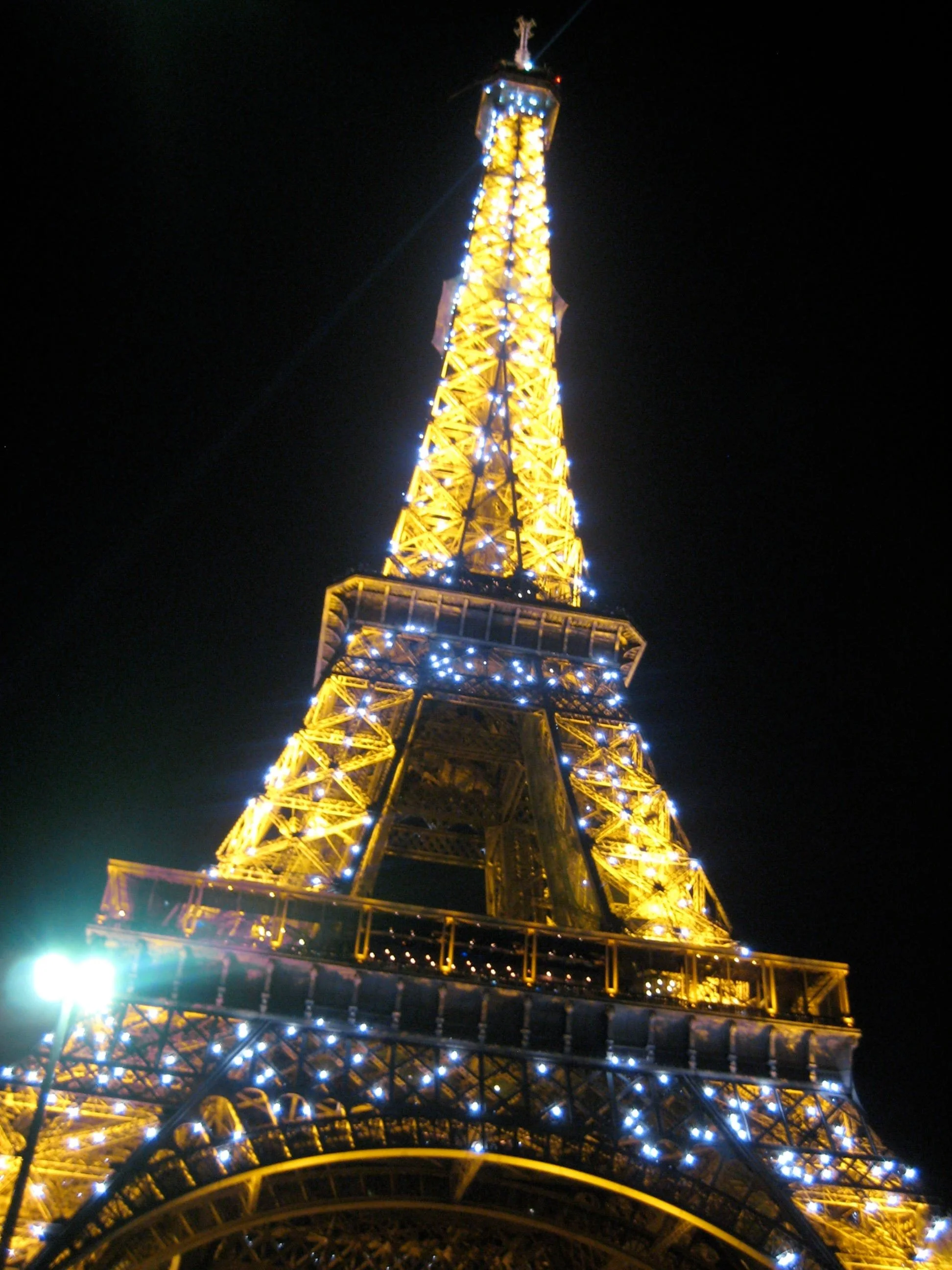
The question I get more than any other, by a wide margin, is where to stay in Paris.
For years I answered it badly. Someone would ask, and I’d say the Marais because it's wonderful and because it’s the answer that makes people happy and sounds so chic. Then they’d come back and tell me they’d loved it, mostly, except that the crowds were more than they’d bargained for and dinner had been a bit of a slog. Which is fair, and I should have said so. The Marais has the shopping, the museums, and the best streets in Paris for wandering with no plan, and it also has a great many restaurants that exist mainly because a great many people walk past them. If eating well every night is the point of your trip, you want the 11th. I just never mentioned it, because I was answering the question they asked instead of the one they meant.
So I stopped giving one answer. And then I stopped answering the question the way it was asked, because I think the question itself is wrong.
Every list you’ve read is answering the wrong thing. Search for the best arrondissement in Paris and you’ll get the same handful of neighborhoods ranked as though one of them is objectively correct, usually with the word “central” doing an enormous amount of unexamined work. Central to what? The Louvre is central. So is the “local” cafe. Proximity to monuments is a strange way to choose where you sleep, given that you will be at those monuments for perhaps three hours of a seven-day trip.
What you actually do in Paris, over and over, is walk home. You’ll do it every night. You’ll do it tired, slightly overfed, a little wine-warmed, not remotely ready for the day to be over. And that walk, more than any museum, is what the trip will feel like when you think about it later.
So the question I ask now is this one: where do you want to be when you’re tired?
It sounds soft. It is in fact the most practical question you can ask, because it quietly answers everything else. It tells you how far you’re willing to walk to dinner. It tells you whether you want a neighborhood that’s still awake at eleven or one that’s gone quiet. It tells you whether stairs and a hill are romantic or a nightly negotiation. Answer it honestly and the hotel stops being a room you booked and starts being a neighborhood you belong to for a week.
The honest version of five neighborhoods
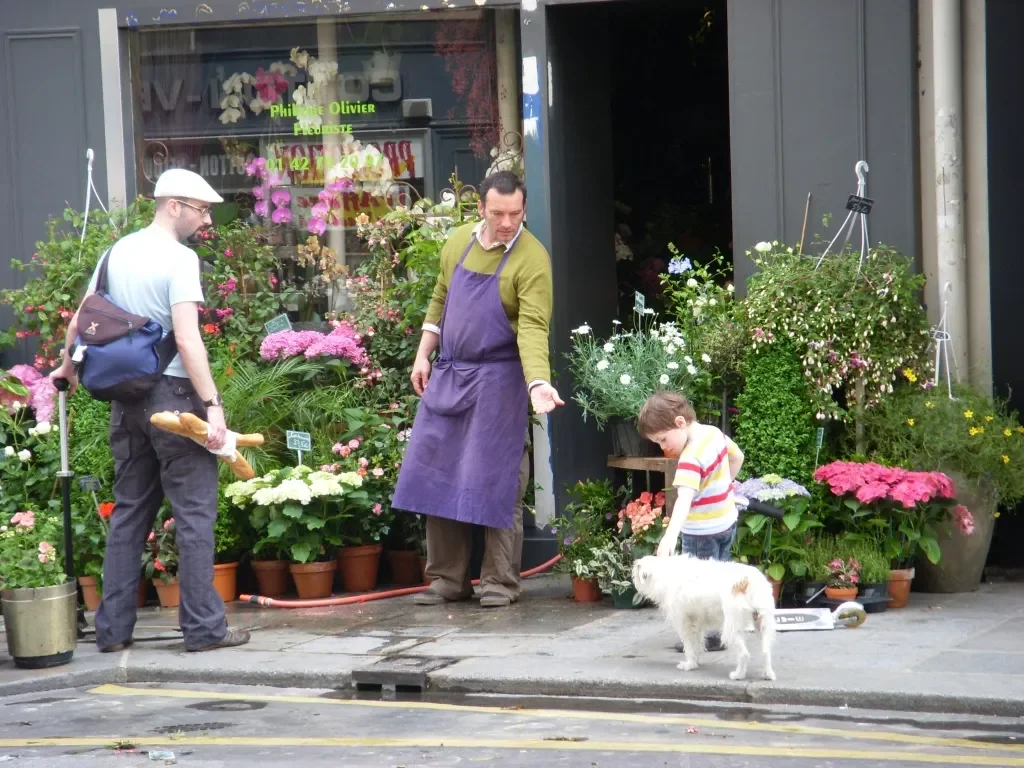
Here’s what I’d actually say to a friend, drawbacks first, because the drawbacks are the part nobody puts in the listicle.
Saint-Germain and the 6th. This is the Paris you’ve been picturing, and I’m not going to talk you out of it. Cafés with real terraces, bookshops, the Luxembourg Gardens, streets that look like you feel like Paris should look - the stuff of dreams and memories. The trade-off is that it’s expensive and it’s been discovered many times over. The prettiest terrace is very rarely the best meal. You will need a little discernment, which I am happy to provide. The designer and the writer in me could walk these streets happily for days.
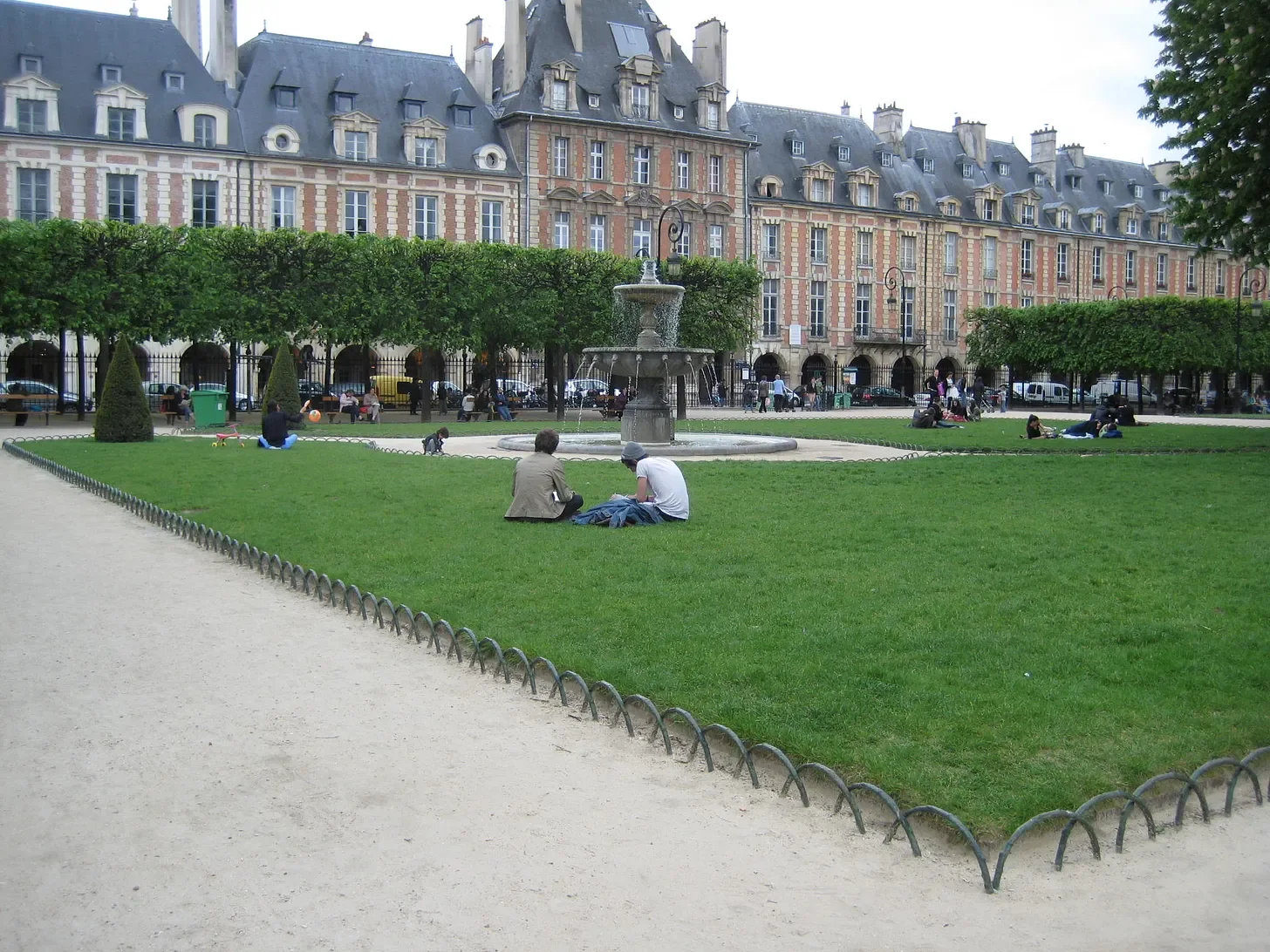
The Marais. The most in the smallest space. Galleries, design shops, museums, Place des Vosges, and streets that reward wandering with no destination at all. The trade-off is crowds, and they’re real. Weekends are a lot. Two blocks make an enormous difference here, so the exact street matters more than the neighborhood name. But more often than not, I am a Marais girl. I love the hustle and bustle and the shopping. I travel a quick few minutes to the 1oth or 11th to eat, and I happily wander home from there.
The Palais Royal and the 1st. People pick this one for convenience and then discover it’s one of the most beautiful quadrants in the city. Arcades, jewelers, covered passages with mosaic floors, and the particular hush of a place where power and glamour have been living side by side for three hundred years. The Palais Royal was Richelieu’s house and is now the Ministry of Culture, with the Comédie-Française across the square, which means the people crossing that courtyard on a Tuesday morning are either running the country or about to go on stage. The trade-off is that beauty this concentrated attracts commerce, and parts of Rue Saint-Honoré are more brand than street. Not that there is anything wrong with that. I love checking out the glamour of the adjacent 8th arrondissement, even if I am only window shopping!
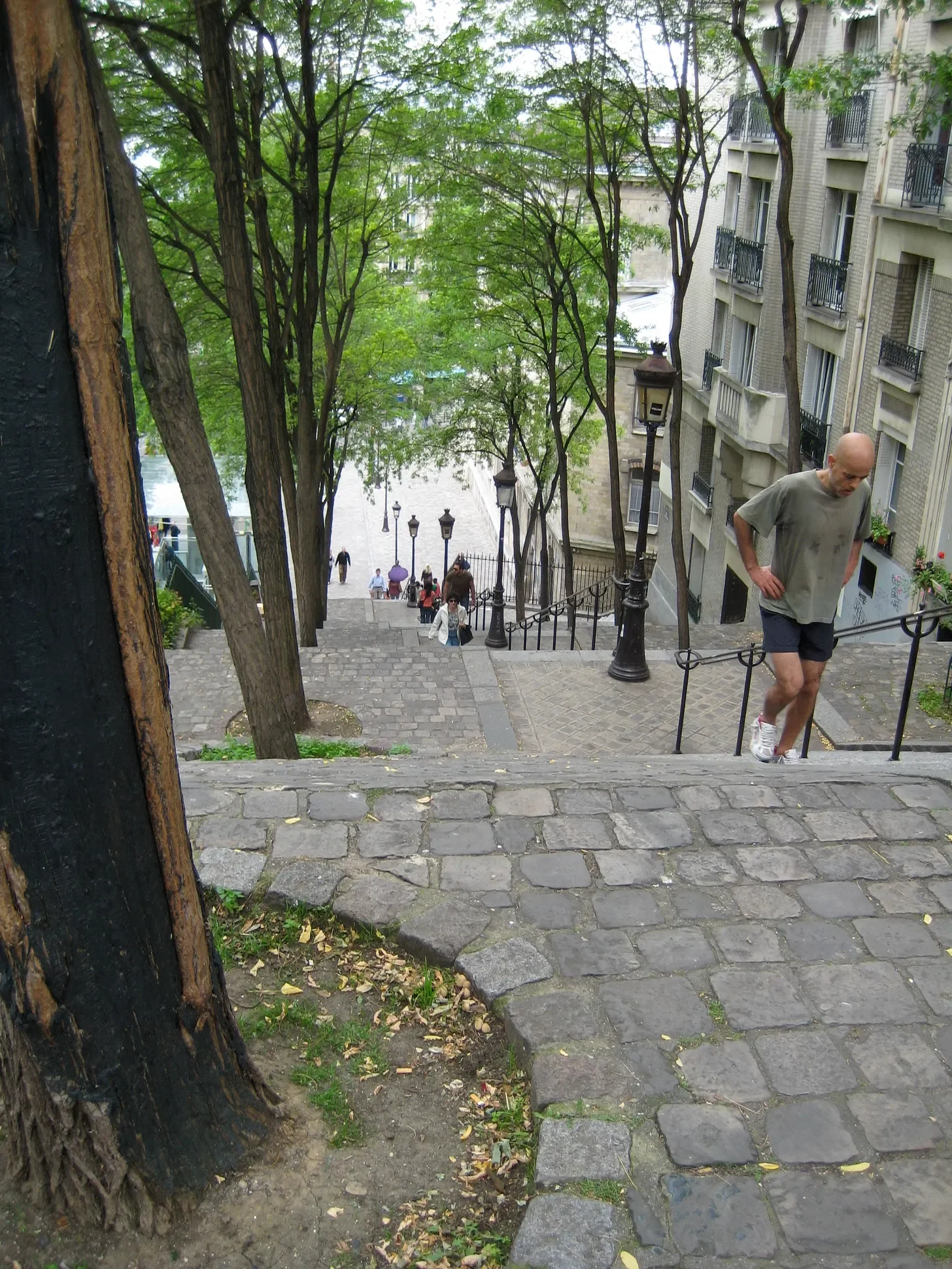
Montmartre. Village Paris, genuinely. Morning walks, a café where you’re a regular by Thursday, and creative history in the walls. The trade-off is the hill, and I want to be clear that the hill is not a metaphor. You will climb it every night. Some people find that romantic, and some people find it a nightly argument with their own knees, and you know which one you are. If you love the idea but not the stairs, stay in the 9th instead, near Rue des Martyrs. Same rhythm, flatter walk home, better restaurants. I must admit a strong love for Montmartre. When my kids were little, we spent a month climbing the stairs and hills of the village, and the kids loved the “small town” feel of that city life. I find it worth the exercise, especially after a day of pastries and wine!
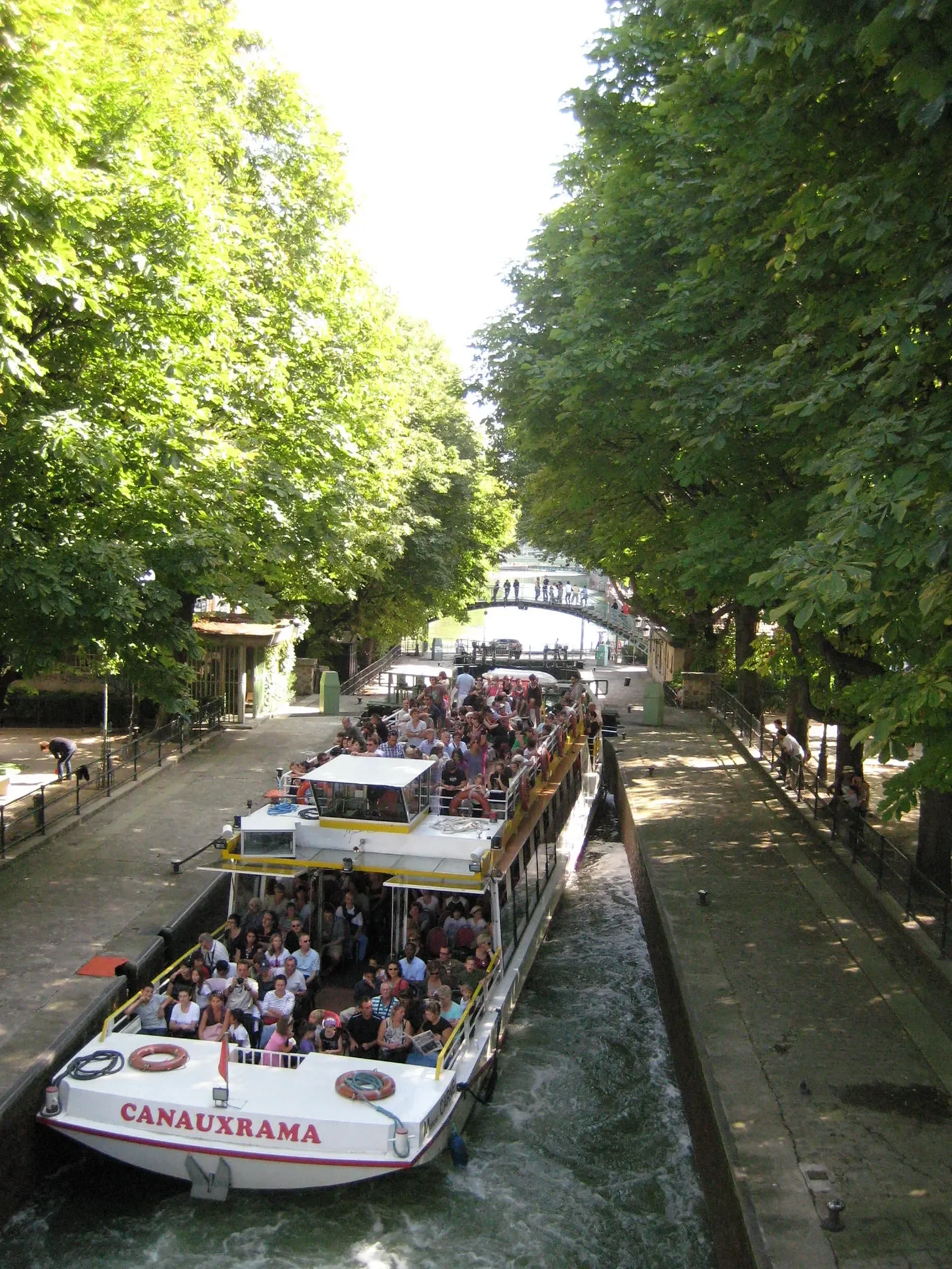
The 10th and 11th. The best eating in the city, and it isn’t close. Markets, bakeries, natural wine, and restaurants people cross Paris for. It’s also a real neighborhood, which means by day three you’ll be friends with the woman selling croissants at the bakery. The trade-off is that it isn’t the postcard. Some streets are messy. If this is your first trip, you may find yourself missing the classical beauty, and that’s a legitimate thing to want. Not that it is not beautiful; it is just a little more of the ordinary, everyday beauty of Paris. Not too shabby, and the food is divine! I often stay here and feel like a local for a few days.
So I built a quiz
I’ve been giving this speech in pieces for years, over dinner, in emails, in comment threads. It seemed sensible and fun to put it somewhere.
It’s ten questions, and it takes about two minutes. It asks what you want your walk home to be, what you’d do if it rained all day, and what you want your last night in Paris to look like. At the end, you get your neighborhood, three hotels at different price points, where to eat, and one story from that corner of the city that most people walk straight past. Mine involves a hat Napoleon left behind in 1795 because he couldn’t cover the dinner bill. It’s still there, under glass, in a restaurant you can book a table at.
It’s free, and it’s the closest thing I have to sitting across from you and asking the right questions.
One suggestion. Send it to whoever you’re traveling with and take it separately. If you get different neighborhoods, that’s worth knowing before you book rather than after, and it’s a considerably better conversation to have at your own kitchen table than on a street corner in the 18th at midnight.
If you want the long version of all of this, both books are included with an annual subscription, along with my layered Paris map of more than 500+ places. The books are the snapshot. This is the part that keeps up.

Check out the books - eBooks on my website or paperbacks on Amazon, or Free with a Substack Annual Subscription